The Future of Window Displays: Transparent LED Film vs. Traditional Screens
27 Mar 2026The high street is a battlefield for attention. For decades, the retail window display has been the primary weapon in a brand’s arsenal, evolving from static mannequins and printed vinyl to the digital age of television screens and LED walls. However, as retailers strive to create more open, inviting, and modern environments, a significant conflict has emerged: the desire for high-impact digital advertising versus the need for natural light and visibility. Traditional digital screens, while powerful, often act as a literal wall between the brand and the public. The solution to this dilemma lies in a breakthrough technology that is redefining the storefront: Transparent LED Film.
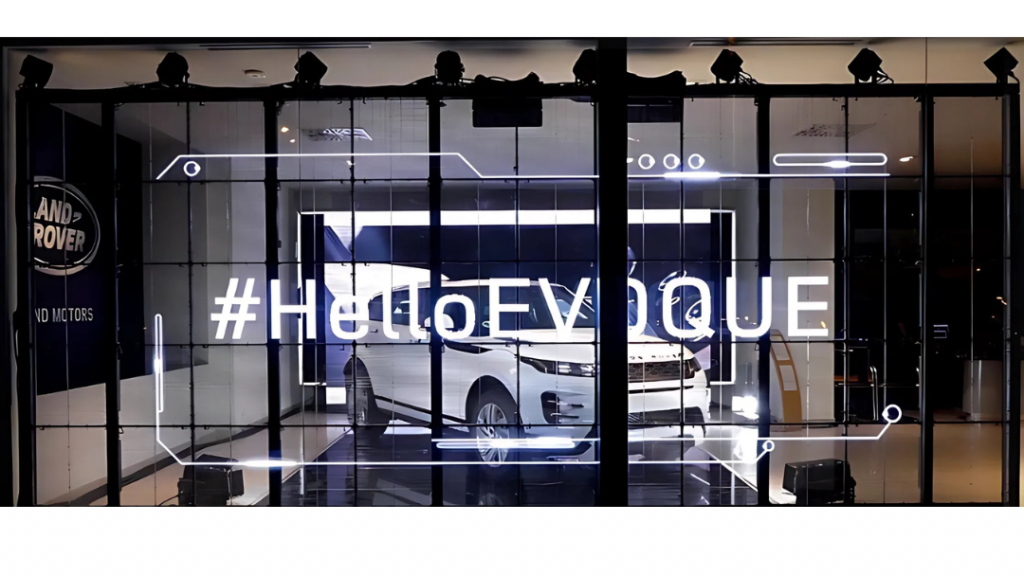
By prioritising transparency without sacrificing visual punch, this technology is fundamentally changing how we think about glass surfaces. It allows a window to remain a window while simultaneously acting as a high-definition digital canvas. To understand why this is the future, we must look at how it compares to traditional screens and how it preserves the architectural integrity of a retail space.
The Transparency Revolution: Maintaining the View
The most immediate and obvious advantage of Transparent LED Film is its ability to maintain natural light and visibility. Traditional LED screens or high-brightness LCD monitors are opaque. When you place a 75-inch screen in a shop window, you are effectively blocking a significant portion of the natural light that would otherwise illuminate the interior. This often results in a “dark” feeling inside the store, forcing retailers to compensate with higher electricity bills for artificial lighting.
Furthermore, traditional screens create a physical barrier. A customer walking past can see the advertisement, but they cannot see the life of the store behind it. They cannot see the curated interior, the staff, or the other customers. This “walled-off” effect can make a shop feel less accessible.
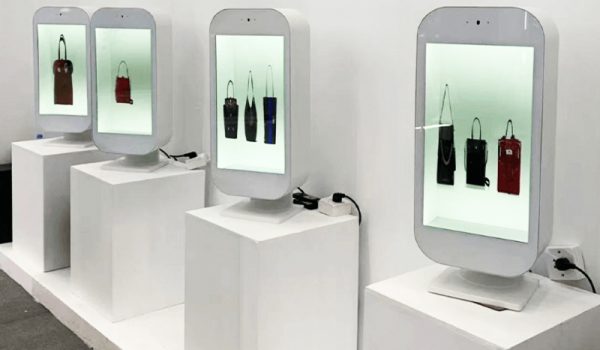
Transparent LED Film solves this by being nearly invisible when not in use. The film consists of tiny, high-performance LEDs embedded in a flexible, transparent substrate. When the screen is off, or when displaying content with a black background (which registers as transparent), the glass remains clear. This maintains the “open-concept” feel that is so vital in modern luxury retail. It allows passers-by to see the dynamic digital content while still catching glimpses of the physical products and the atmosphere inside the store.
High-Impact Advertising Without the Bulk
One might assume that transparency comes at the cost of brightness or impact. However, modern transparent LED film is engineered for the high-stakes environment of the British high street. Even in direct sunlight, these displays deliver the “wow” factor required to stop a pedestrian in their tracks.
Traditional screens are often heavy, bulky, and require complex mounting systems that can clutter the aesthetic of a clean window display. They need thick power cables and cooling fans, which add to the visual noise. In contrast, Transparent LED Film is incredibly thin and lightweight. It is applied directly to the existing glass surface—much like a high-tech window tint.
This lack of bulk allows for a “floating” visual effect. Content—whether it’s a spinning 3D logo, a high-fashion model, or a pulsing “Sale” announcement—appears to hover in mid-air within the glass. This futuristic aesthetic is far more aligned with the luxury and tech brands of 2026 than a standard black-box monitor. It turns the window itself into the medium, rather than just a place to hang a screen.
The Architectural Advantage: Seamless Integration
In cities like London, Bath, or Edinburgh, many retail spaces are housed in historic or architecturally significant buildings. Traditional digital signage can often look out of place, clashing with ornate facades or strict planning regulations.
Transparent LED Film offers an architectural advantage because it respects the building’s original design. Because it is applied to the glass, it doesn’t require the structural modifications that a heavy LED wall might. It preserves the clean lines of the storefront. From the outside, you see the digital message; from the inside, you still see the street.
This “dual-purpose” functionality is essential for high-end boutiques where the interior design is just as important as the exterior promotion. Retailers no longer have to choose between a digital presence and a beautiful, light-filled showroom. They can have both, integrated seamlessly into the glass that was already there.
Content Strategy: Playing with Depth
Traditional screens are restricted to a flat, 2D plane. Content is contained within the borders of the bezel. Transparent LED Film allows for a more creative approach to content strategy, specifically by playing with depth and layers.
Because the screen is transparent, you can layer the digital content with physical products. Imagine a physical mannequin wearing the latest collection, positioned a few feet behind the glass. The transparent film can then display digital rain, sparks, or geometric patterns that appear to wrap around the physical mannequin. This “phygital” (physical + digital) approach creates a layered visual journey that a traditional, opaque screen simply cannot replicate.
Furthermore, the “transparency as a colour” concept is a powerful tool for designers. In digital content for these films, black is rendered as transparent. This allows for incredibly clean, minimal visuals that look like they are part of the glass itself, rather than a video being played on top of it. It encourages a more sophisticated, “less is more” approach to advertising that resonates with the modern consumer.
Efficiency, Longevity, and Sustainability
In 2026, sustainability and energy efficiency are no longer optional for UK businesses. Traditional high-brightness screens generate a significant amount of heat and consume a large amount of power. Because Transparent LED Film uses a more efficient LED structure and doesn’t require the same heavy-duty cooling systems, it is often a more sustainable choice for long-term installations.
The film is designed for 24/7 operation, with a lifespan that matches or exceeds traditional commercial displays. Its lightweight nature also means lower carbon footprints during shipping and installation. For a brand looking to modernise their storefront while meeting ESG (Environmental, Social, and Governance) targets, transparent film is a clear winner.
UNIFY VSN Ltd.: Leading the Transition
At UNIFY VSN Ltd., we specialise in helping brands navigate this transition from traditional, bulky displays to the sleek, integrated future of Transparent LED Film. We understand that a retail window is your most valuable real estate, and we are committed to helping you use it more effectively.
Our range of transparent visual solutions is designed to fit any window size or shape. We don’t just provide the hardware; we provide the expertise to ensure the installation enhances your brand’s aesthetic and maintains the natural light of your space.
While we still offer world-class Indoor Commercial LED Screens and Outdoor Fixed LED Screens for applications where absolute opacity is required, we believe that for the modern high street storefront, transparent film is the ultimate solution. It is the only technology that allows you to deliver high-impact, high-resolution advertising while keeping your store open, bright, and inviting.
Summary: Why Transparent Film Wins
When comparing the two technologies for a window application, the benefits of transparent film are undeniable:
- Natural Light: Maintains the brightness and “open” feel of the store interior.
- Visibility: Allows customers to see into the store, breaking down the barrier between the street and the brand.
- Aesthetics: Provides a sleek, “floating” visual effect that is much more modern than a traditional monitor.
- Architecture: Preserves the lines of the building and is easier to install on existing glass.
- Creativity: Enables layered, “phygital” displays that combine digital content with physical products.
Conclusion
The future of the window display is not about blocking the view; it is about enhancing it. Traditional screens had their time, but as we move toward a retail landscape that values experience, transparency, and architectural harmony, Transparent LED Film is the clear successor. It offers the high-impact advertising power that Black Friday and Christmas seasons demand, while ensuring that for the rest of the year, your store remains a beautiful, sunlit, and welcoming space.
If you are ready to turn your glass into a digital asset without losing the light, it is time to look beyond the traditional screen. The future is transparent.
Ready to transform your storefront?
The team at UNIFY VSN Ltd. is ready to help you re-imagine your window displays. Whether you want a full-scale transparent takeover or a subtle digital accent, we have the technology to make it happen.
- Give us a ring: 01279 703070
- Explore the possibilities: See our transparent solutions in action at www.unifyvsn.co.uk.